



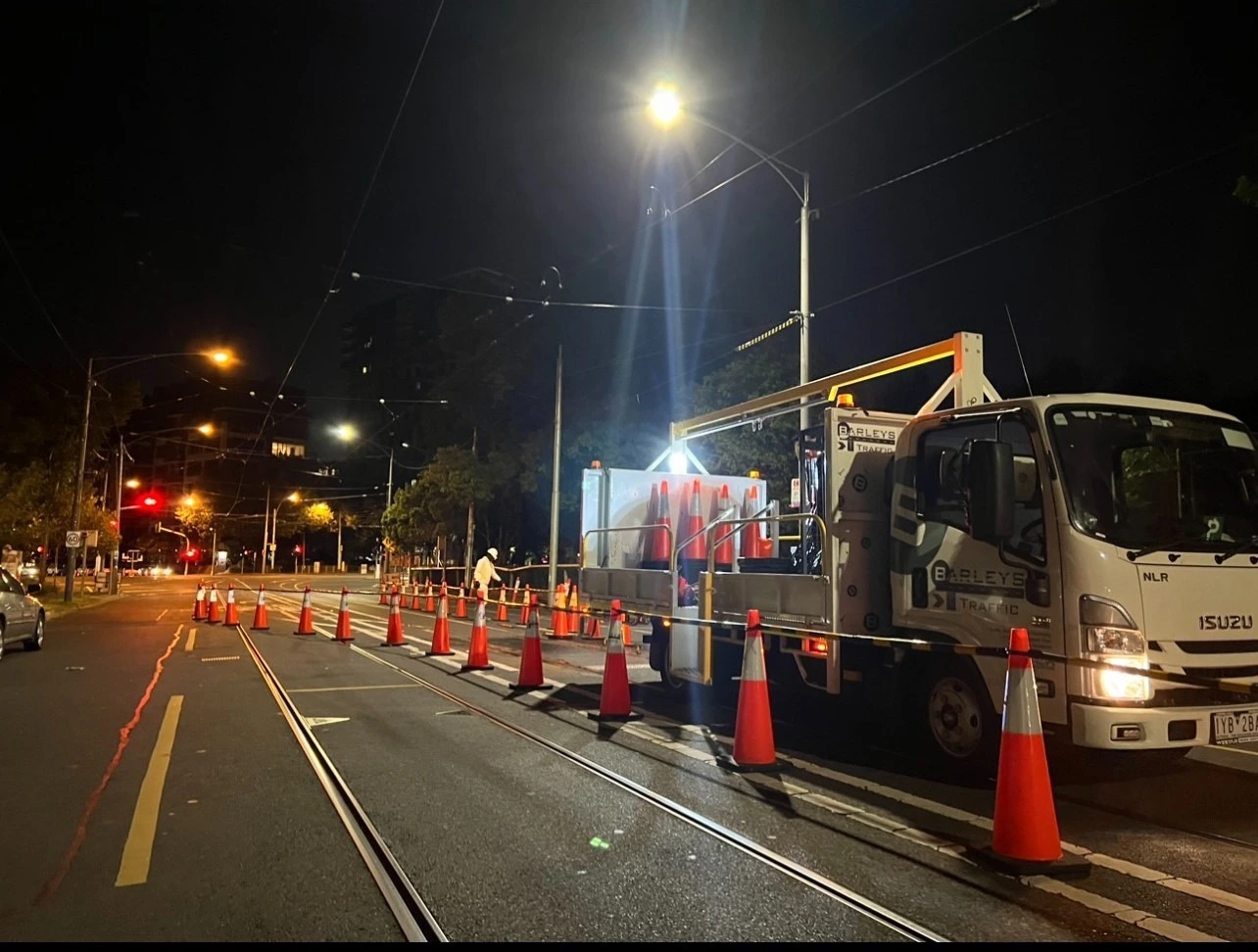
Nighttime Traffic Control Keeping Everyone Safe After Dark
Working on roads at night helps reduce traffic during the day, but it also brings extra risks. Lower visibility, tired drivers, glare from headlights, and higher speeds can make conditions more dangerous.
Many drivers do not expect road changes at night. This is why proper setup, clear visibility, and strong planning are essential for safe traffic management after dark.
At Barleys Traffic Management, safety remains the top priority on every night shift.
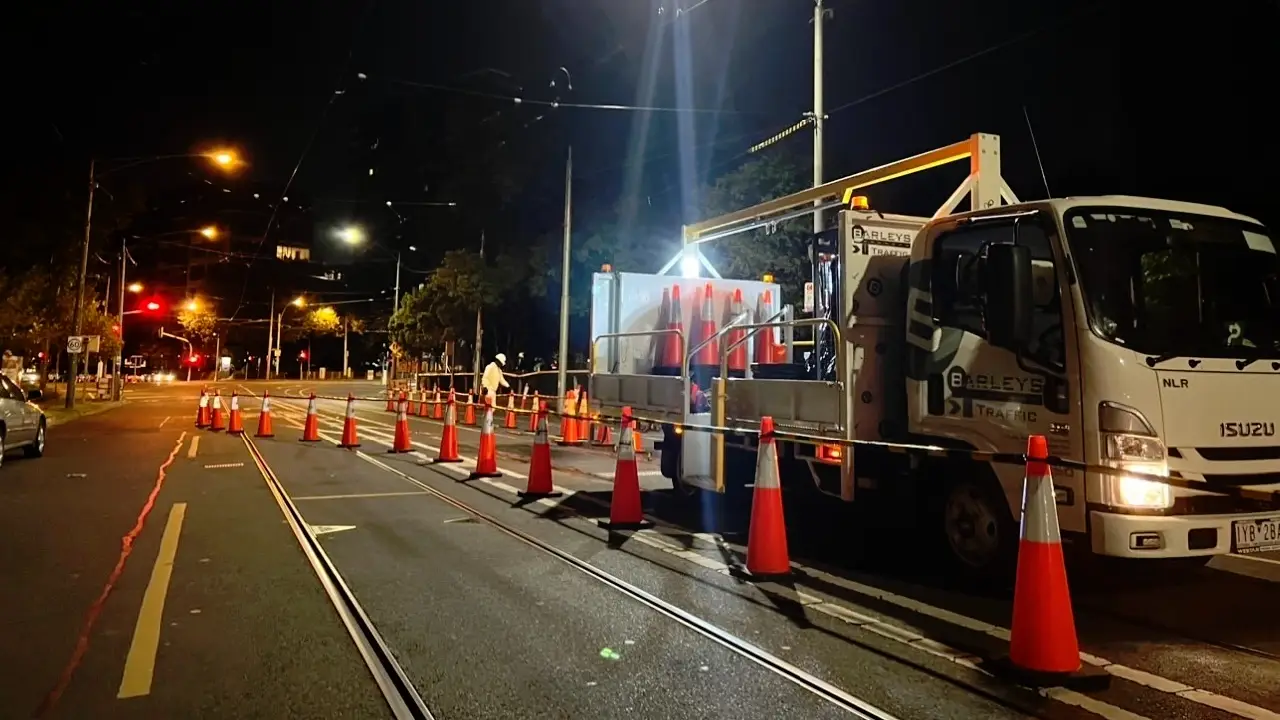
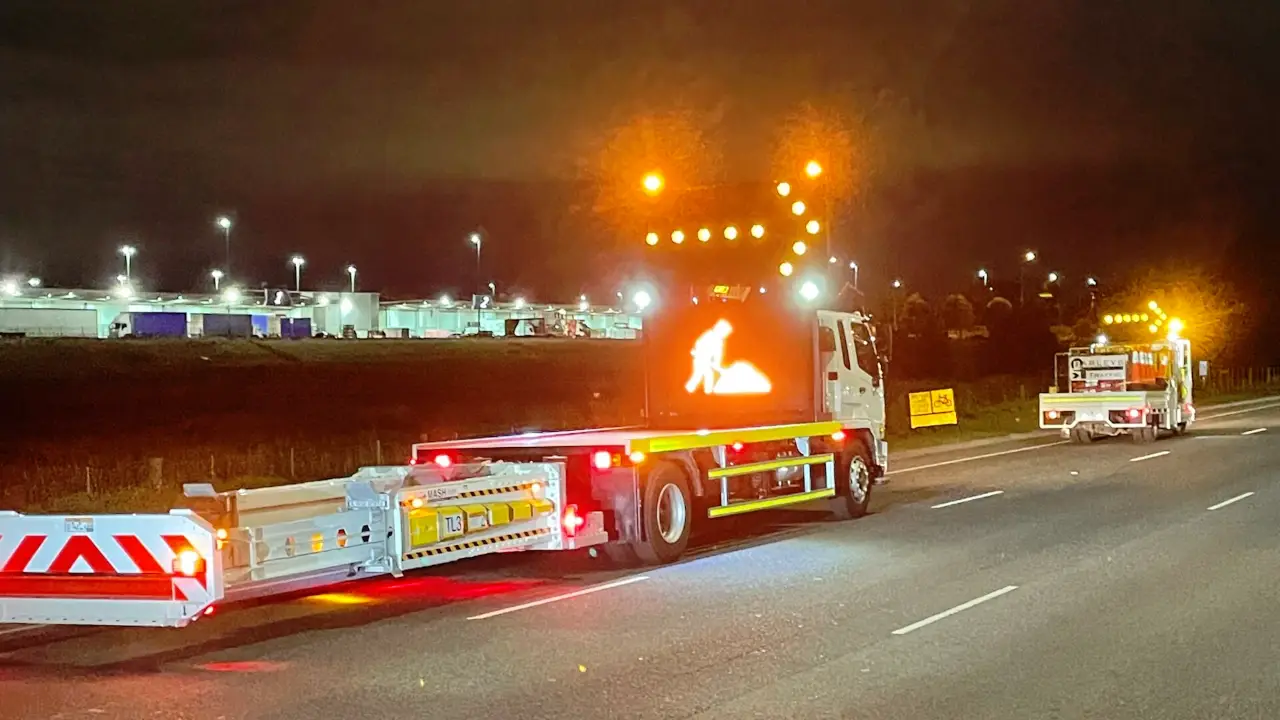
Challenges of Night Work Zones
Nighttime conditions are very different from daytime work. Limited lighting and driver fatigue can reduce reaction time and awareness.
Common risks include:
- Low visibility for drivers and workers
- Glare from headlights affecting vision
- Drivers traveling at higher speeds
- Unexpected changes in road conditions
- Managing these risks requires careful planning and the right equipment.
How Our Crews Stay Safe After Dark
Be Seen on the Road
Clear visibility is critical at night. High visibility signs, amber flashing lights, and properly spaced cones help drivers identify work zones early and respond safely.Use Smart Lighting
Work areas must be well lit so crews can see clearly. At the same time, lighting should not be too bright or directed at drivers, as this can cause glare and reduce visibility.Wear High Visibility Gear
All workers wear reflective clothing designed for nighttime conditions. This ensures they can be seen from a distance and stay protected while working near live traffic.Provide Early Warnings
Advance warning signs give drivers more time to slow down, change lanes, and prepare for the work zone ahead. Early communication helps reduce sudden movements and confusion.Plan Every Work Zone Carefully
Night setups are carefully planned before work begins. This includes equipment placement, safe entry and exit points, and emergency procedures. A well-planned site reduces risk and improves safety for everyone.
Why Planning Matters at Night
Nighttime traffic control is not the same as daytime work with fewer vehicles. It requires extra attention, proper setup, and continuous monitoring.
When planning is done correctly:
- Drivers are better prepared
- Traffic flows more safely
- Workers remain protected
- Risks are reduced
- Good planning creates safer outcomes.
Our Commitment at Barleys Traffic Management
Barleys Traffic Management is committed to maintaining high safety standards at all times. Our crews are trained to handle the challenges of nighttime work with professionalism and care.
We focus on visibility, compliance, and proper procedures to ensure every work zone remains safe, even after dark.
Final Thoughts
Nighttime traffic control comes with unique challenges, but with the right approach, it can be managed safely and effectively.
Clear visibility, proper lighting, and careful planning are the keys to keeping roads safe. After dark, safety must always come first.