



The Job Isn’t Finished When the Work Is
Most people assume a roadworks site is finished when the work stops. But for traffic management crews, there is still an important job to do.
Pack-up is one of the most demanding parts of a shift. The work may be complete, the pressure may be easing, and everyone may be looking forward to heading home. After hours on site, it is easy to feel that the hardest part of the day is behind you.
But this is exactly when attention matters most.
As signs, cones and other traffic control devices are removed, the road gradually returns to normal operation. Drivers may start accelerating, traffic patterns change, and the space where the crew has been working becomes live road again.
For Traffic Controllers, TMIs, Supervisors and the wider crew, pack-up deserves the same care and attention as the initial setup.
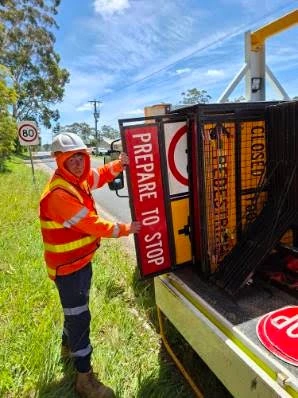
Table of Contents
Pack-Up Is Still a High-Risk Part of the Job
Removing traffic control devices is not simply the reverse of setting them out. The order and direction of removal matter, and the crew needs to remain aware of approaching traffic throughout the process.
As the worksite comes down, drivers may assume the road is already clear, even when workers are still removing signs or collecting equipment. This creates a situation where the crew can be exposed to moving traffic while the protection provided by the temporary setup is being reduced.
That is why pack-up must follow the required procedures and approved arrangements. Rushing to finish can introduce risks that could have been avoided with a little more time and attention.
Remove Devices in the Correct Sequence
Signs, cones and other traffic control devices need to be removed in the correct sequence and direction, in accordance with the approved arrangements and applicable procedures.
It can be tempting to take the quickest route when the shift is nearly over, but speed should never come before safety.
The crew needs to understand what is being removed, what protection remains in place and how the removal process affects the road users approaching the site.
Advance warning should remain in place until it is appropriate to remove it and the relevant work area is clear. Removing warnings too early can leave drivers unaware of the remaining activity ahead.
Keep People Clear of Returning Traffic
As traffic controls are removed, parts of the road begin returning to normal use. Workers who were previously protected by the setup may suddenly be much closer to live traffic.
Everyone involved needs to understand where it is safe to work, where equipment is being collected and which areas are becoming live again.
Keep watching approaching vehicles and maintain clear communication with the crew. If traffic behaves unexpectedly or conditions become unsafe, raise the issue and follow the required safety procedures.
The fact that the main work is complete does not mean the road is safe for the crew to move around without protection.
Stay Alert Until the Last Device Is Removed
Drivers can behave differently as they approach a site that appears to be winding down. Some may accelerate when they see workers packing equipment away, while others may become distracted by the changing road layout.
Traffic Controllers and other crew members need to keep monitoring approaching traffic rather than focusing only on the equipment being collected.
Good communication is particularly important during this stage. Everyone should know what is happening, what remains to be removed and when it is safe to proceed to the next step.
A well-managed pack-up is a coordinated effort, not a race to finish.
Don't Forget the Final Site Check
Once the traffic control devices have been removed, take the time to check the work area before leaving.
Cable ties, packaging, damaged equipment, loose materials and general rubbish can easily be overlooked during pack-up. These items may create hazards for road users, pedestrians, cyclists or the next crew attending the site.
Check that all equipment has been collected, the road has been returned to the required condition, and any outstanding issues have been reported.
Leaving a clean and safe site is part of completing the job properly.
The Responsibility Doesn't End at the Worksite
Safe pack-up also means considering the people who will use the road after the crew has left.
Motorists should be able to return to the normal road layout without encountering unexpected equipment, debris or confusing temporary controls. Where aftercare or additional arrangements are required, these must be managed according to the applicable requirements.
The last few minutes on site can influence the safety of everyone travelling through the area afterwards.
Final Thoughts
The end of a shift can be when fatigue, time pressure and the excitement of finishing make it easier to overlook small details. That is why pack-up needs the same focus, communication and discipline as setup.
Remove devices correctly, keep people clear of returning traffic, maintain awareness of approaching vehicles and check the site before leaving. Every step helps protect the crew and the people using the road.
The job is not finished when the work stops. It is finished when the site has been safely packed up, the road has been returned to the required condition, and everyone is safely off the road.
FAQs
Why is pack-up an important part of traffic management?
Pack-up involves removing the controls that protect workers while traffic gradually returns to normal. If devices are removed incorrectly or too quickly, workers and road users may be exposed to unnecessary risks.
Should traffic controllers stop monitoring traffic during pack-up?
No. Approaching traffic must continue to be monitored throughout pack-up because drivers may accelerate or respond unexpectedly as the worksite changes.
When should advance warning signs be removed?
Warning signs should be removed in the correct sequence and at the appropriate stage of pack-up, following the approved traffic management arrangements and applicable procedures.
What should crews check before leaving a worksite?
Crews should confirm that required equipment has been collected, waste and loose materials have been removed, the road is in the required condition, and any outstanding issues have been reported.
Why shouldn't crews rush to finish pack-up?
Rushing can lead to incorrect device removal, missed hazards, poor communication and workers being exposed to live traffic. Completing the process correctly is more important than finishing a few minutes earlier.
Who is responsible for safe pack-up?
Everyone involved in the traffic management operation has a role to play. Traffic Controllers, TMIs, Supervisors and other crew members must communicate, follow the required procedures and remain alert until the worksite has been safely cleared.