



Why Training Matters in Traffic Management
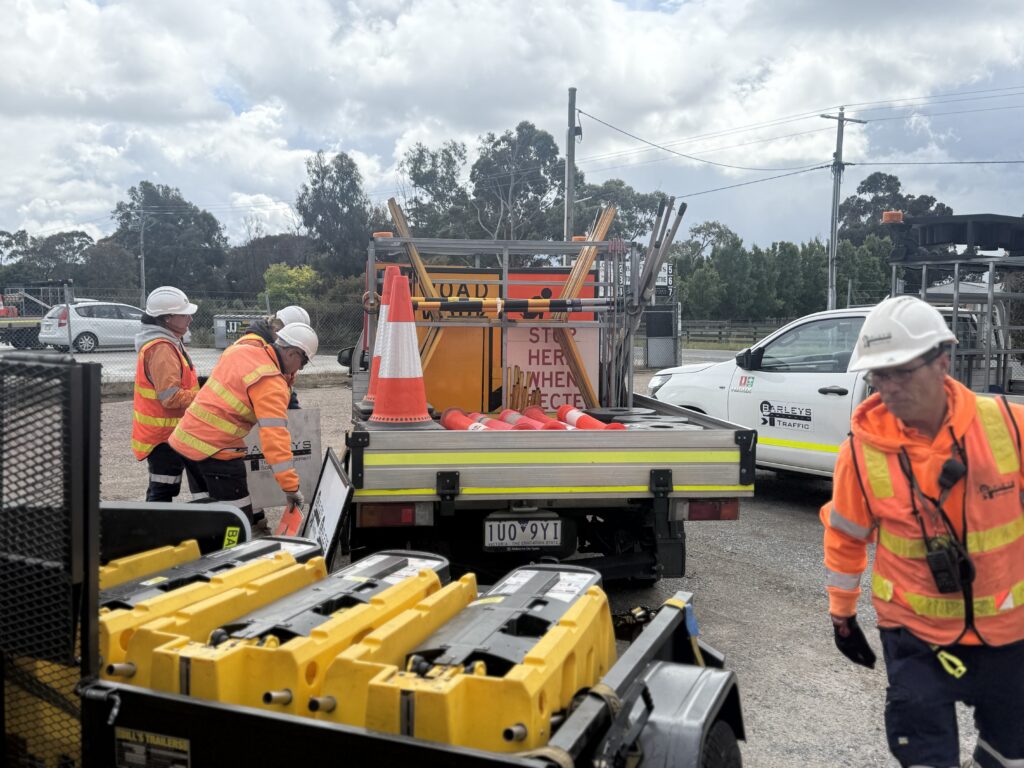
From Traffic Controller 1 (TC1) through to Traffic Management Designer 3 (TMD3), competence is not optional. It is foundational.
At Barleys Traffic Management, training is not a box-ticking exercise. It is the backbone of safe delivery, professional credibility, and operational excellence.
Every deployment on a Victorian road — whether it is a local access street or a high-speed arterial — carries responsibility. That responsibility starts with proper training and continues with ongoing development.
Training That Reflects the Real Road Network
Our team operates across all road categories, including:
- Local streets
- Collector roads
- Arterial roads
- Declared roads under Department of Transport & Planning control
- High-speed rural highways
- Urban commercial precincts
- Complex intersections and multi-lane corridors
- Freeways
The Austroads National Training Framework mirrors these road environments for a reason. Each level builds on the last, increasing responsibility, complexity, and risk exposure.
We ensure our people are trained and competent across:
- TC1 / TMI1 – Low volume roads, basic static works, foundational traffic control principles
- TC2 / TMI2 – Higher speed environments, multi-lane roads, increased risk and coordination
- TMI3 – Complex implementations, modifications, live decision-making in dynamic environments
- TMD1 – Design of Traffic Guidance Schemes for lower risk roads
- TMD2 – Design for arterial and declared roads with greater operational complexity
- TMD3 – Advanced design and auditing capability across high-risk and high-speed environments
Each qualification reflects the increasing demands of the road category and risk profile. We do not blur those lines. We respect them.
Why The New Traffic Management Training Framework Strengthens Delivery
Formal qualifications establish baseline competency. In-house training builds mastery.
Our training sessions focus on:
- Applying AGTTM principles to real Victorian road environments
- Reviewing live Traffic Guidance Schemes and recent site learnings
- Interpreting Memorandums of Authorisation (MoA) conditions correctly
- Strengthening hazard identification and risk mitigation
- Improving communication between controllers, implementers, and designers
- Reinforcing compliance culture across all levels
This is where theory becomes operational excellence.
Learning from Experience — Not Just Textbooks
Our crews bring practical knowledge from:
- High-speed freeway shoulder closures
- Shuttle flow operations around blind crests and curves
- Urban civil works in tight commercial zones
- Utility maintenance across regional corridors
- Council-managed road networks with varying risk profiles
That lived experience matters.
When our team sits in a training room, they are not learning hypotheticals. They are reviewing real decisions made under real pressure in real environments.
That builds judgement, and judgement is what protects lives. Safety Is a Professional Obligation. Traffic management is not just about cones and signs. It is about controlling risk in live traffic environments.
Well-trained personnel:
- Understand taper lengths and sight distance requirements
- Recognise when shuttle flow is mandatory
- Identify when a Traffic Guidance Scheme must be modified
- Escalate risks instead of accepting unsafe shortcuts
- Protect vulnerable road users as well as workers
Training and assessments completed expertly protects:
- Our people
- Contractors and subcontractors
- Road users
- Pedestrians and cyclists
- The client
- The integrity of the permit holder
- The reputation of our company
- Stakeholders from legal exposure
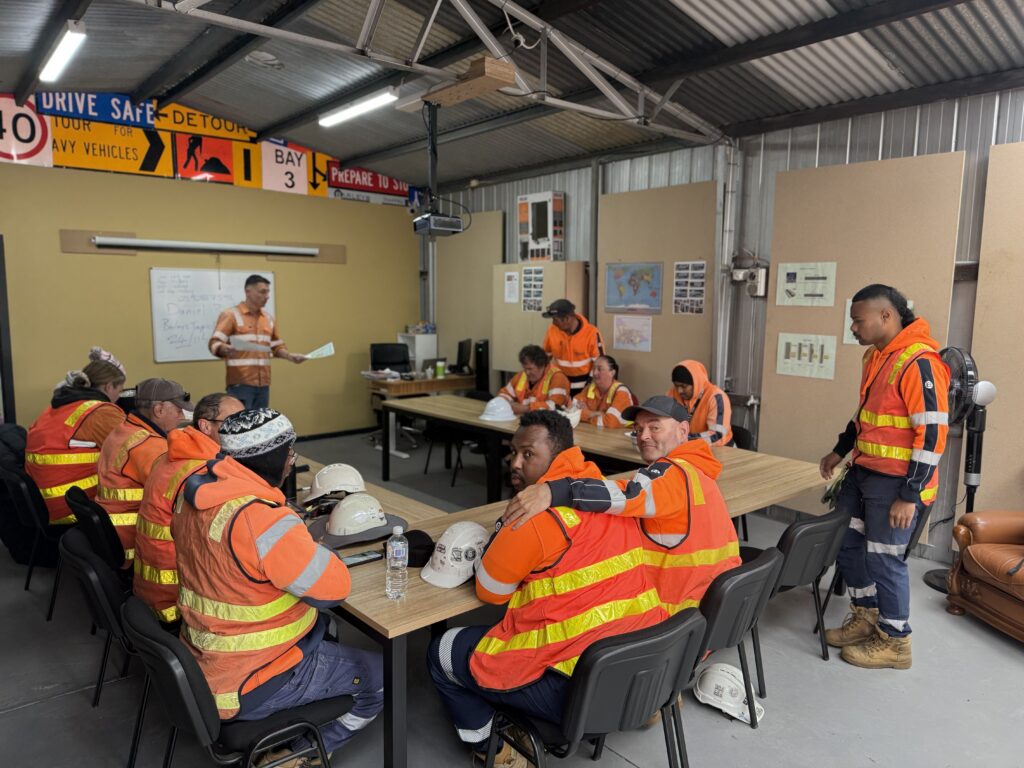
Championing Our Team – Our strength is not equipment. It is our people.
From entry-level Traffic Controllers through to advanced Designers, our team demonstrates:
- Technical understanding of AGTTM requirements
- Confidence in high-risk road environments
- Professional communication with clients and authorities
- A commitment to compliance over convenience
- A willingness to continuously improve
We are proud of the capability within our organisation.Training is how we invest in that capability. Growth Beyond Minimum Standards. We do not train to meet the minimum. We train to raise the standard.
Continuous development ensures:
- Confidence in decision-making
- Consistency across projects
- Reduced rework
- Improved client trust
- Stronger audit outcomes
- Safer worksites
The road environment is evolving. So must we.
Final Thoughts
Traffic management sits at the intersection of public safety, legal compliance, and operational efficiency. There is no room for complacency.
From Traffic Controlller 1 (TC1) through to Traffic Management Designer 3 (TMD3), structured training reflects increasing road complexity and risk exposure. Our in-house training reinforces that structure with real-world experience and professional accountability.
Continuous learning is not optional in this industry. It is leadership.
And we are proud of the team that continues to uphold that standard every single day.