



Managing Psychosocial Hazards in Traffic Management
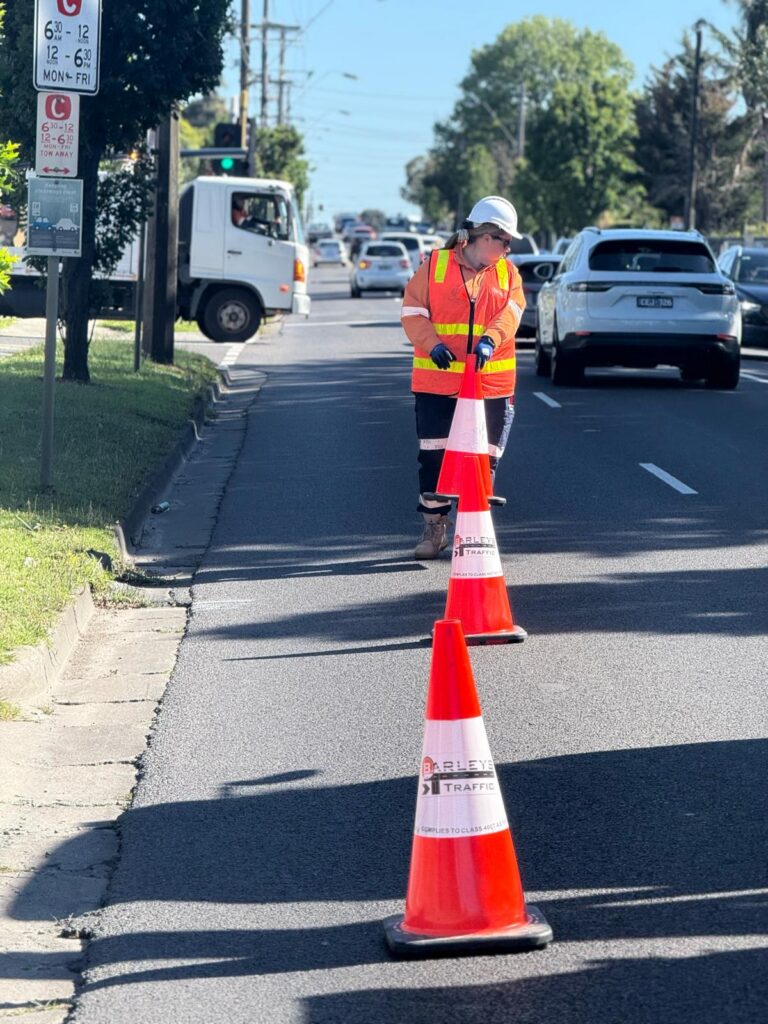
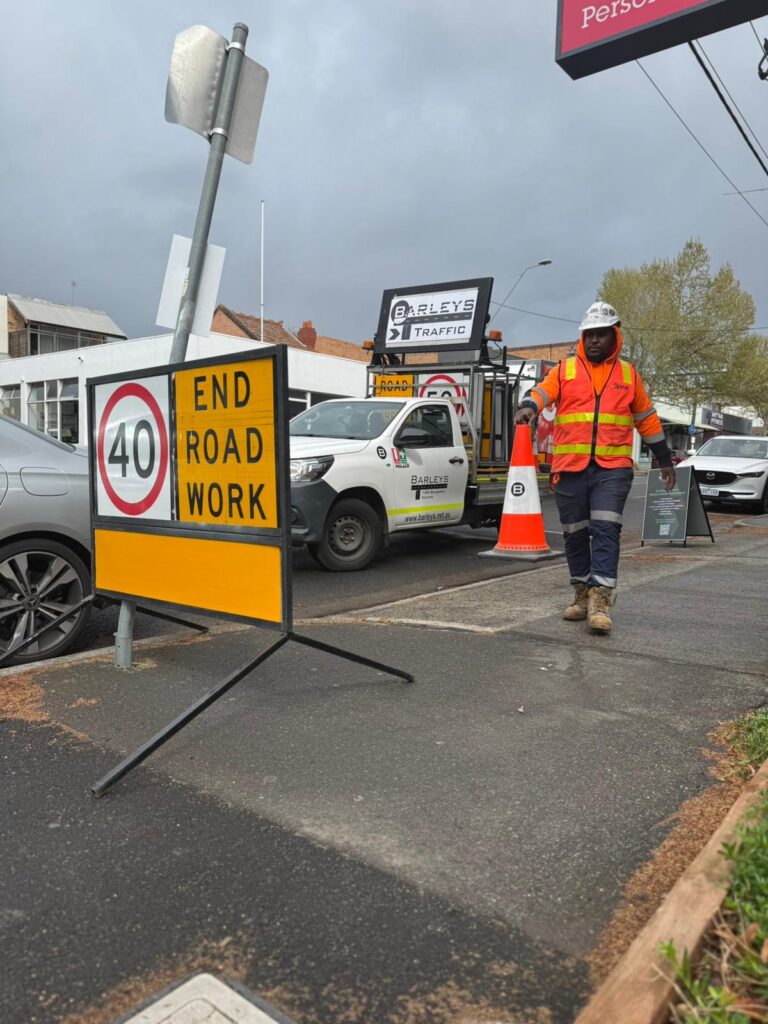
Psychosocial Hazards on the Road
Traffic management is not only about Traffic Control Devices (TCD). It also involves dealing with people. Most drivers are patient and cooperative, but sometimes situations can become challenging. Aggressive behaviour, frustration, and verbal abuse are a risk. These are known as psychosocial hazards. They can affect both your safety and your wellbeing. We must recognise these challenges and focus on keeping ourselves and our team safe, both physically and mentally.Understanding the Reality on Site
Traffic Controllers (TC) and Traffic Management Implementors (TMI) do more than manage vehicles. At times, they also deal with the emotions of road user and residents. When people are delayed, frustration can arise. People may arrive at the worksite already upset and react negatively. In these moments, it is important to remember one thing. You are there to manage traffic, not to win arguments.How to Handle Aggressive Situations
Staying calm and professional when faced with a difficult situation takes character.- Keep a safe distance and avoid engaging with aggression
- Inform the site supervisor of any non-compliance
- Use calm and clear communication
- Focus on your role and responsibilities
- Prioritise your safety over being right
- Report all incidents
- Check in with your teammates after the situation
What we must Avoid on Site
It is important to always stay professional. Certain actions can escalate the situation and should always be avoided.- Do not get into arguments
- Do not respond with aggression
- Do not engage in shouting or back and forth
- Do not try to prove a point
Supporting Each Other as a Team
After a difficult interaction, it is important to check in with your team. Talking about what happened helps reduce stress and supports mental wellbeing. Looking out for each other creates a stronger and safer work environment. Teamwork is a key part of safety.Our Commitment to Safety
No one comes to work expecting to face abuse. Your safety matters, both physical and mental. At Barleys Traffic Management, we believe safety is non-negotiable. We support our teams with clear guidelines, strong procedures, and a culture of respect and professionalism.Final Thoughts
Psychosocial hazards are part of working on public roads, but they can be managed with the right approach. Staying calm, avoiding conflict, and supporting each other helps keep everyone safe. Professional behaviour protects you, your team, and the public. Look after yourself and look after each other.FAQs
What are psychosocial hazards in traffic management?
They are risks related to behaviour and interactions, such as aggressive drivers or public abuse that can affect mental and physical safety.
How should we respond to aggressive drivers?
Stay calm, keep your distance, avoid arguments, and focus on your role.
Why is it important not to engage in conflict?
Engaging in conflict can increase risk and make the situation unsafe for you and others.
Should incidents always be reported?
Yes. Reporting helps improve safety procedures and supports team awareness.
How does our team support this?
By promoting safe behaviour, providing guidance, and encouraging teamwork and communication on every site.