



Traffic Flow and Vehicle Interaction in Traffic Management
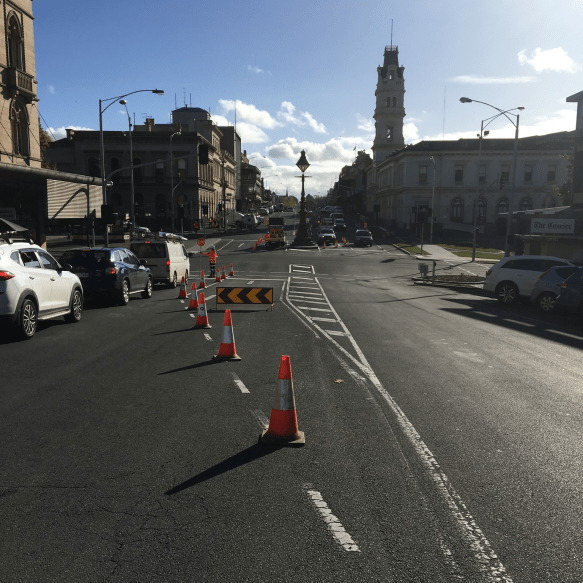
Traffic Flow and Vehicle Interaction
Keeping traffic moving safely is one of the most important parts of a Traffic Controller and Traffic Management Implementor’s role. It is not only about stopping and releasing vehicles. It is also about how we position ourselves, how we interact with drivers, and how we manage traffic flow across the site.
Good traffic management protects workers and road users while also reducing unnecessary delays for the public.
Why Traffic Flow Matters
Efficient traffic flow helps maintain safety and reduces frustration for drivers. Poorly managed traffic can lead to long queues, risky driver behaviour, and unsafe conditions. Good traffic flow supports:
- Safer worksites
- Better driver cooperation
- Reduced congestion
- Improved public experience
Managing traffic properly is a balance between safety and efficiency.
Safe Positioning on Site
Where you stand on site is critical. Your position should allow drivers to see you clearly and give you full visibility of approaching traffic. Avoid standing in:
- Blind bends
- Crests of hills
- Sharp corners
- Areas where vehicles merge or change direction
Good positioning improves reaction time for both you and the driver.
Always Maintain an Escape Path
Every Traffic Controller must always have a safe way to move out of danger. Unexpected driver behaviour can happen at any time. Keep in mind
- Always have a clear path behind you
- Avoid standing near barriers or guardrails
- Never block your own exit
Managing Heavy Vehicles Safely
Heavy vehicles such as trucks and plant equipment require more time and distance to stop. They also have larger blind spots. To manage heavy vehicles safely:
- Give early and clear signals
- Allow extra stopping distance
- Stay clear of turning paths
- Never assume the driver can see you
Understanding how heavy vehicles operate helps reduce risk on site.
Managing Queue Lengths and Traffic Flow
Traffic management must not only be safe but also efficient. Unnecessary delays can lead to frustration and unsafe driving behaviour. When managing traffic flow:
- Aim to clear traffic in each cycle where possible
- Monitor queue lengths regularly
- Avoid letting queues extend into unsafe areas
Queues should never extend into intersections, over hills, around bends, or into high-speed traffic zones.
Poor queue management can create serious risks and may result in approvals being withdrawn.
The Key to Safe and Efficient Traffic Control
Good traffic flow starts with:
- Correct positioning
- Clear communication
- Active monitoring of traffic conditions
- Quick response to changing situations
Staying alert and proactive helps maintain both safety and efficiency on site.
Our Approach at Barleys Traffic Management
At Barleys Traffic Management, our strength lies in our people. Our highly skilled Traffic Controllers (TCs) and Traffic Management Implementers (TMIs) are the backbone of everything we do. Bringing experience, accountability, and professionalism to every site.
We don’t just manage traffic, we protect lives, and keep projects moving. Our team is our strength.
Final Thoughts
Traffic management is more than controlling vehicles. It is about creating a safe and efficient environment for everyone on the road.
Stay visible. Stay alert. Keep traffic moving safely.
FAQs
Why is positioning important in traffic management?
Proper positioning ensures drivers can see you clearly and allows you to monitor traffic safely.
What is an escape path?
An escape path is a clear and safe route that allows you to move away quickly if a situation becomes dangerous.
Why do heavy vehicles require extra care?
Heavy vehicles take longer to stop and have larger blind spots, increasing the risk if not managed properly.
Why is queue management important?
Poor queue management can create unsafe conditions and lead to traffic delays and driver frustration.
How does Barleys Traffic Management ensure safe traffic flow?
By focusing on positioning, communication, training, and active traffic monitoring across all worksites.